


Claim Mechanical Royalties: 4 Step Checklist for Beat Makers
Yes, beat producers can earn mechanical royalties, provided they hold or are assigned a share of the composition and take the steps to claim it. The moment a beat becomes part of a finished song, that composition share becomes real money every time the track streams, downloads, or sells as a physical copy. The first move is simple: register the work and your share in The MLC member hub and with a performing rights organization.
TL;DR:
- Producers can earn ongoing mechanical royalties if they register their composition share with The MLC and linking it to streams, downloads, or physical sales.
- Mechanical royalties are generated from reproduction of the composition through various formats, and they accumulate over time regardless of initial sale payments.
- Accurate metadata, timely registration, and regular dashboard checks are essential to claim and collect all royalties due, especially for matching credits across platforms.
- Negotiating clear licensing terms upfront, including percentage splits and metadata obligations, helps ensure proper and easier royalty collection later.
Table of Contents
- What mechanical royalties are and what triggers them
- Why mechanicals matter for a producer’s bottom line
- How mechanical royalties are calculated and distributed
- How to register, claim, and collect royalties on your beats
- Beat licensing and splits: what to negotiate before you sign
- Fixing unmatched royalties and missing credits
- How I approach metadata, registration, and licensing
- Licensing your next beat with clear terms built in
- FAQ
- Sources
What mechanical royalties are and what triggers them
Mechanical royalties compensate the owners of a musical composition, meaning the melody, chord structure, and lyrics, whenever that composition gets reproduced. Permanent downloads, interactive streaming, and physical copies like vinyl or CDs all count as reproductions, and each one generates a mechanical royalty obligation. This is distinct from performance royalties, which pay composition owners when a song is broadcast or performed publicly, and from master royalties, which pay whoever owns the actual sound recording, typically the artist or label. A beat producer who holds a composition share earns mechanicals regardless of who owns the master. The current rates governing interactive streaming come from Phonorecords IV, the statutory framework the Copyright Royalty Board uses to set mechanical rates for the current rate period. Understanding this distinction matters because many producers assume a one-time beat sale is their only payday, when a composition credit can generate income for the life of the copyright.

Why mechanicals matter for a producer’s bottom line
Mechanical income stacks on top of whatever master or performance royalties a producer already earns, turning a single placement into a recurring revenue stream rather than a flat fee. A producer who negotiates a co-writer credit, receives assigned publishing, or holds producer points sees a different payout depending on which arrangement applies. That ongoing share is often worth more over time than the initial fee, especially if the song finds an audience.

How mechanical royalties are calculated and distributed
The Copyright Royalty Board sets the statutory rates and formulas that govern mechanical royalties under Phonorecords IV. Permanent downloads use a fixed per-unit rate, while interactive streaming relies on a pool-based allocation method tied to a service’s revenue and subscriber counts. The MLC sits at the center of the streaming side: it receives usage and royalty reports from digital service providers under the blanket license, matches those reports to registered works, and distributes royalties monthly to the copyright owners it has on file.
A few mechanics shape how much lands in a producer’s account:
- Streams under 30 seconds generally do not count as a full play for royalty purposes.
- Songs longer than five minutes can trigger an overtime adjustment that increases the royalty owed.
- All mechanical and performance income for a given stream originates from what the MLC’s explanation of rates calls the All-In Royalty Pool, which is then divided between performance and mechanical shares before mechanicals reach registered owners.
None of this pays out automatically. A composition has to be registered and matched before the pool allocation turns into a deposit.
How to register, claim, and collect royalties on your beats
Claiming what you are owed takes a handful of deliberate steps, and skipping any one of them is usually why producers go unpaid.
- Register the composition and your ownership share in The MLC member hub, whether you do this directly or through a publisher.
- Register your writer share with a performing rights organization such as ASCAP, BMI, or SESAC, and confirm your IPI or CAE number matches across every platform.
- Check that distributor metadata, and ISRC or ISWC codes where applicable, list you correctly as a songwriter, and ask the artist to carry those credits through at upload.
- Review your MLC dashboard and distributor reports monthly, filing a claim or correction the moment a release of yours is missing or unmatched.
Pro Tip: Set a recurring monthly reminder to check your MLC and PRO accounts the same week new releases usually drop, so missing credits get caught early instead of months later.
The Copyright Office’s interim rule requires the MLC to distribute monthly and to issue detailed royalty statements, with specific thresholds for how payments are delivered. Keep every contract and registration confirmation on file. Those records are what you will need if a claim ever needs to be corrected.
Beat licensing and splits: what to negotiate before you sign
The licensing structure you choose decides how much mechanical income you ever see, so this is worth negotiating carefully rather than accepting a template.
- Non-exclusive leases usually leave master income with the artist, while composition and publishing get split, with producers commonly securing 25% to 50% of the composition royalties.
- Exclusive sales often involve negotiated producer points on the master, or an advance-against-mechanicals clause, where the purchase price is recouped from future royalties before the producer sees additional payments.
- Insist on contract language covering metadata and credit obligations, a clearly stated publishing percentage, and any triggers that upgrade the deal once streaming numbers pass an agreed threshold.
Clear terms up front prevent confusion later.
Fixing unmatched royalties and missing credits
Unmatched royalties pile up when metadata between the producer, artist, and distributor does not line up, which is the most common reason mechanical income goes unclaimed. A misspelled writer name, an inconsistent IPI number, or a missing split sheet can keep a legitimate royalty sitting unclaimed for months.
- Check your MLC dashboard regularly for unmatched or pending claims tied to your catalog.
- Contact the artist or their distributor first if credits are missing, since metadata usually originates there, and escalate to The MLC directly if the issue persists.
- Review any advance-against-mechanicals language in your contracts, since recoupment can delay when backend payments actually start arriving.
- Keep contracts, registration confirmations, and dashboard screenshots organized so you can document your claim quickly.
Pro Tip: Save a copy of every split sheet the moment it’s signed. It’s the single fastest way to resolve a disputed claim later.
How I approach metadata, registration, and licensing
My approach to protecting composition income starts before a beat ever leaves my catalog: register early, require a credit and metadata clause in every license I write, and check MLC dashboards on a monthly rhythm rather than waiting for a problem to surface. Consistency in your writer name and registration details across every platform is what keeps a royalty from falling into the unmatched pool in the first place. Treat your paperwork with the same care you give the beat itself.
— Thomas
Licensing your next beat with clear terms built in
Clear licensing terms make it far easier to register your composition share and get paid without chasing down missing documentation later. A variety of soulful, cinematic rap and hip hop instrumentals are available with licensing built around clear terms, so artists and producers both know exactly what they are agreeing to from the start.
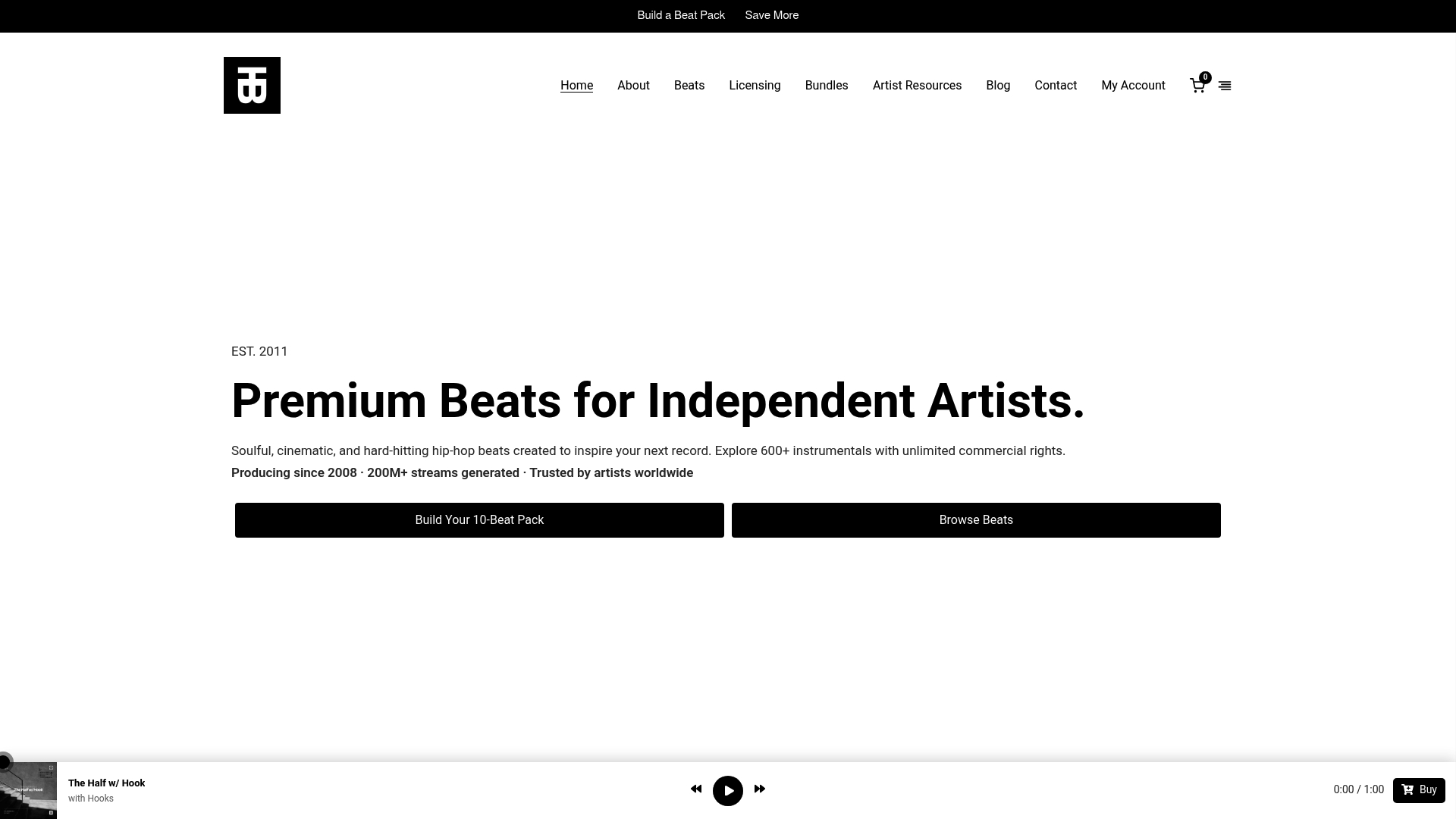
- MP3 Unlimited at a one-time price gives you an accessible entry point with full commercial rights documented in writing.
- WAV Unlimited at a one-time price adds the higher-quality file format many distributors and studios expect.
- Trackout Unlimited at a one-time price includes individual stems, useful when a collaborator needs to verify credits or re-mix elements later.
- Exclusive Rights, priced on request, works for artists who want the beat removed from the catalog entirely, with terms negotiated directly.
Every license spells out the rights granted and the format included, giving you documentation to reference when registering your composition share with The MLC or a PRO. Browse the full licensing options or visit Tellingbeatzz to reach out about a custom exclusive deal.
FAQ
Who gets paid for mechanical royalties?
Anyone who holds a share of a song’s composition, including songwriters, co-writers, and producers with an assigned publishing stake, is entitled to mechanical royalties. Payment only reaches them once their share is registered and matched to the recording, typically through The MLC for United States streaming and downloads.
Who is the richest songwriter of all time?
Rankings of songwriter wealth vary by source and change over time, so there is no single agreed-upon figure to cite reliably. What matters more for a working producer is that consistent composition credits, properly registered, build income regardless of where any individual ranking lands.
How do I get paid from BMI?
BMI pays performance royalties to songwriters and publishers who register their works with the organization and confirm accurate writer and publisher information. Payments are distributed on BMI’s standard schedule once a performance is reported and matched to a registered work, separate from the mechanical royalties that flow through The MLC.
What are examples of mechanical royalties?
Mechanical royalties cover permanent downloads, interactive streaming plays, and physical formats like vinyl, CD, or cassette. Each use type is calculated under statutory formulas set through Phonorecords IV, with the resulting royalty distributed to registered composition owners.
Sources

No Comments