

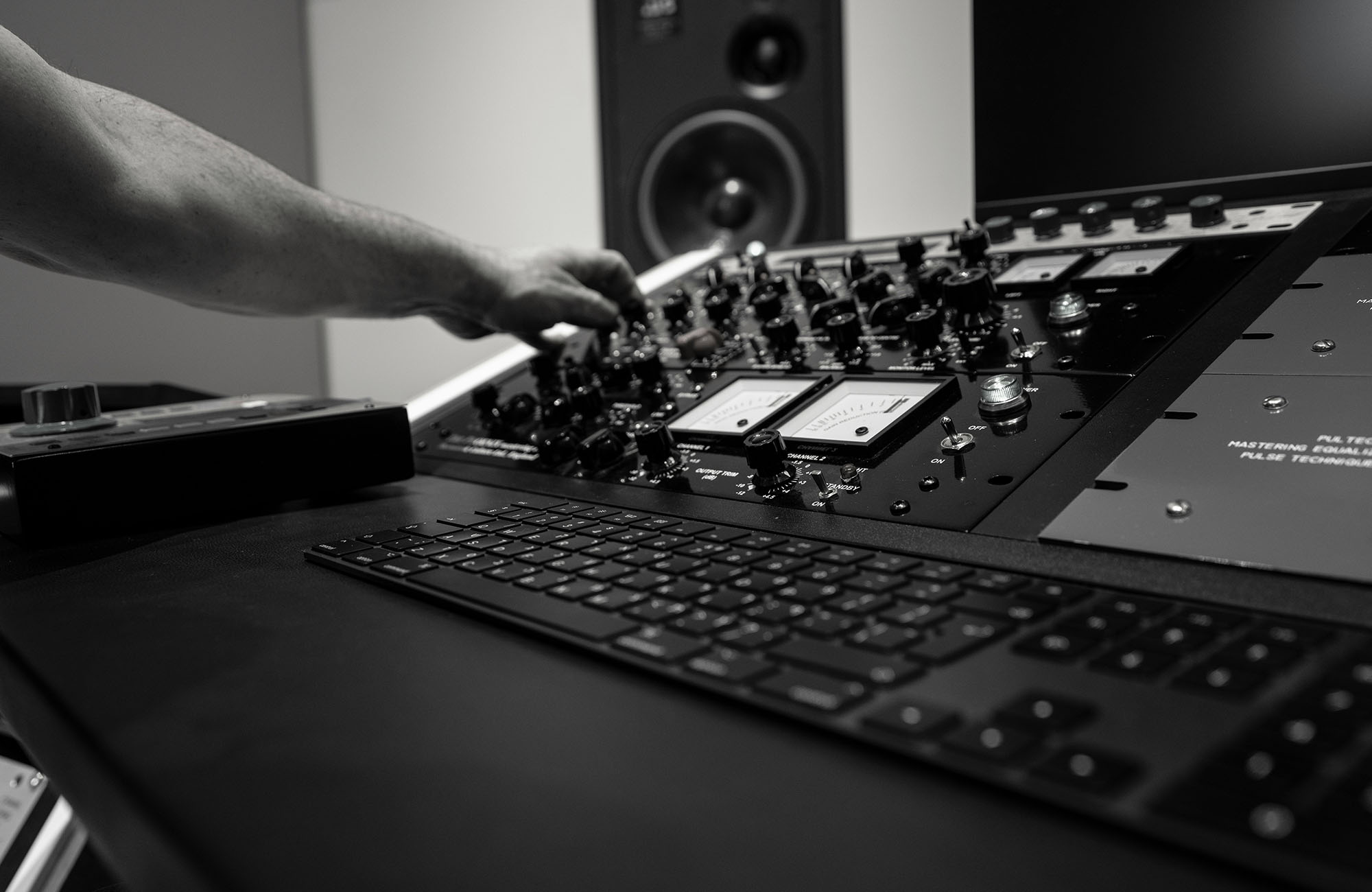
Rap Beats: The Ultimate Guide to Finding and Buying Beats
Rap Beats: The Ultimate Guide

Rap Beats: The Ultimate Guide to Finding and Buying Beats

Rap beats are instrumentals created to give rappers a foundation for their lyrics, flow, hooks, and overall song structure. They are more than just background music. A strong rap beat shapes the emotional tone of a song, influences the artist’s delivery, and often determines whether a track feels average or memorable.

When artists search for rap beats, they are usually not just looking for drums and melodies. They are looking for inspiration. They want a sound that matches their message, supports their voice, and helps them create something that feels real. That is why choosing the right beat matters so much. The beat is not a small detail. It is the canvas your performance lives on.

A good rap beat should do several things at once. It should create a mood, leave enough room for vocals, maintain a strong structure, and provide enough energy or emotion to carry the track from beginning to end. Some beats are dark and aggressive. Others are soulful, cinematic, emotional, uplifting, or introspective. The best one for you depends on your style, your voice, and the kind of music you want to make.

Why Rap Beats Matter More Than Most Artists Realize

A lot of artists focus almost entirely on lyrics, and while lyrics are obviously essential, the beat is what makes people feel the song before they fully process the words. A beat can instantly create tension, warmth, pain, confidence, determination, nostalgia, or motivation. It can make a track feel personal, huge, haunting, or uplifting within seconds.

That emotional impact changes the way you write and record. When the beat is right, ideas come faster. Your flow feels more natural. Your hook becomes easier to imagine. Even your vocal tone often changes depending on what the instrumental brings out of you. On the other hand, when the beat is generic or poorly matched to your style, everything becomes harder. You may force lyrics, struggle to find the right cadence, or create a song that sounds disconnected.

This is why serious artists spend time finding beats that actually fit them instead of settling for whatever sounds decent in the moment. The right instrumental does not just support your song. It helps shape it.

The Different Types of Rap Beats

Rap beats come in many forms, and understanding the differences can save you a huge amount of time. Some instrumentals are built for heavy bars and punchlines. Others are better for emotional storytelling, melodic hooks, or motivational themes. There is no single best type of beat. There is only the best beat for the specific song you want to make.

Traditional hip hop beats often focus on groove, sample-inspired textures, and raw musicality. If you want that lane, exploring a dedicated collection of hip hop beats can help you narrow your search and focus on instrumentals with that feel.

Modern rap beats can be cleaner, harder, more cinematic, or more melodic, depending on the audience and style. Artists who want a broad selection of styles can explore rap beats to find sounds that fit different moods and song concepts.

There are also artist-inspired instrumentals, commonly called type beats. These are designed around the vibe or energy associated with certain artists, though the goal should never be to sound like a copy. Used correctly, type beats can help artists quickly find a direction that fits their voice and influences.

And of course, some artists are simply looking for a wider catalog of instrumentals without narrowing things down too quickly. In that case, a broader beat library like beats and instrumentals can be a useful starting point.

What Makes a High-Quality Rap Beat?

Not every beat that sounds good at first is actually high quality. Some beats have flashy elements but fall apart once you try to write to them. Others are too crowded, too repetitive, or too flat emotionally. A high-quality rap beat usually has a few important characteristics that make it stand out.

First, it has clarity. The drums hit cleanly, the melodies are distinct, and the beat does not sound muddy or chaotic. Second, it has structure. A good instrumental feels like a real song foundation, not just a loop stretched out for three minutes. There should be movement, transitions, and some sense of progression from one part of the track to another. Third, it creates a mood. Whether it is dark, soulful, cinematic, reflective, angry, or uplifting, the beat should feel intentional.

Another major factor is space. Many artists underestimate how important vocal space is. If a beat is overloaded with sounds, your voice has nowhere to live. Your lyrics may get buried, and the song becomes harder to mix and harder to connect with. A strong beat gives your performance room to breathe while still sounding full and powerful.

Finally, high-quality beats feel purposeful. The melody, sound selection, drum bounce, and arrangement all seem to belong together. Nothing feels random. Everything supports the overall vision.

How to Tell if a Rap Beat Fits Your Style

One of the biggest mistakes artists make is choosing beats based on what sounds impressive instead of what actually fits them. A beat can be objectively strong and still be completely wrong for your voice and style. That is why fit matters more than hype.

Start by asking what kind of artist you are. Are you a storyteller? Are you more focused on punchlines and technical rapping? Do you lean into melodic rap, introspection, confidence, pain, or motivation? Once you understand your own lane better, it becomes easier to find beats that reinforce it.

The next step is to pay attention to your natural response when you hear a beat. Do ideas come to you right away? Can you hear a hook or cadence forming in your head? Do you feel like the beat brings out something authentic in you? That immediate creative reaction matters. The right beat usually sparks something quickly.

You should also think about tempo and energy. Some rappers sound better over slower, heavier beats where every line lands clearly. Others sound stronger over more energetic instrumentals with movement and bounce. Some artists need emotional depth to unlock their best writing. Others need aggression or intensity. The more honest you are about what brings out your strongest performance, the easier it becomes to choose the right beat.

Rap Beats vs Hip Hop Beats

People often use these terms interchangeably, but there can be subtle differences depending on the context. Hip hop beats sometimes refer to a broader musical tradition that can include classic boom bap influences, sample-driven sounds, soulful textures, and a more rooted hip hop feel. Rap beats can be a wider category that includes modern trap-influenced production, melodic rap instrumentals, motivational sounds, dark cinematic beats, and more.

In practice, both categories overlap heavily. What matters most is not the label itself but the actual sound, mood, and structure of the instrumental. Still, separating them can help you search more efficiently. If you already know you want something with a more traditional or musically rich vibe, starting with hip hop beats makes sense. If you want a broader selection, rap beats may be the better place to explore first.

What Type Beats Are and How to Use Them Correctly

Type beats have become one of the most common ways artists search for instrumentals. A type beat usually references the vibe of a certain artist, era, or style. For example, an artist may search for something inspired by introspective rap, soulful storytelling, cinematic pain music, or motivational modern hip hop.

This can be useful because it gives you a shortcut. Instead of describing your sound in abstract terms, you can search based on artists whose energy you connect with. The problem begins when artists treat type beats as an invitation to imitate someone else completely. That usually leads to generic music.

The smarter way to use type beats is to treat them as a starting point. They help you find a mood or sound family that fits your style, but your goal should always be to bring your own perspective to the song. Exploring type beats can help you discover instrumentals that align with your influences while still giving you room to be yourself.

Free Rap Beats vs Paid Rap Beats

Free beats are valuable, especially for newer artists. They let you experiment, develop your flow, practice songwriting, and start creating without financial pressure. For many artists, free beats are the entry point into recording real songs. That makes them an important part of the process, not something to dismiss.

At the same time, artists need to understand that free beats often come with limitations. They may be intended for non-commercial use, demo purposes, or basic uploads rather than full commercial releases. That is why it is important to pay attention to licensing and usage terms before releasing anything officially.

A curated collection of free beats can be a great way to explore sounds, test ideas, and find inspiration without pressure. As you grow and become more serious about releases, paid licenses often become the next step because they offer more flexibility, usage rights, and long-term security.

The real question is not whether free or paid beats are better in every case. The question is what stage you are at as an artist and what your goals are for that specific song.

How to Find the Best Rap Beats for Your Songs

Finding the best rap beats is not about listening to the highest number of instrumentals possible. It is about listening with purpose. A lot of artists waste time jumping from one random beat to another without a clear direction. That usually leads to frustration and unfocused songs.

A better approach is to start with your intention. Know what kind of track you want to make. Do you want something emotional and personal? Something hard-hitting and direct? Something cinematic and motivational? Something melodic and reflective? Once you know that, your search becomes more efficient.

From there, focus on producers and platforms whose sound you genuinely connect with. Consistency matters. If a producer’s work repeatedly sparks ideas in you, that is a strong sign that their style aligns with yours. Instead of chasing random trends, build relationships with sounds that actually inspire your best writing.

It also helps to listen beyond the first impression. A beat might sound impressive because of its intro or loud drums, but the real test is whether you can imagine yourself making a complete song with it. If the answer is yes, that beat deserves more attention.

The Role of Emotion in Rap Beats

Emotion is one of the most underrated factors in beat selection. Even artists who think of themselves as purely technical rappers often perform better when the instrumental creates some kind of emotional atmosphere. It does not have to be sadness. Emotion can mean determination, confidence, nostalgia, anger, hunger, hope, tension, or ambition.

Beats with emotional depth often have more replay value because they make the listener feel something. They also tend to bring out stronger writing from the artist. A soulful melody, a cinematic chord progression, or a subtle atmospheric layer can change the entire energy of a track.

This is especially important for artists who want to make music that feels memorable instead of disposable. Technical skill matters, but people connect with feeling. The right beat can help transform a solid verse into a song people actually remember.

Why Structure Matters in a Rap Beat

A great beat is not just a loop with drums on top. Structure matters because songs need movement. If the instrumental stays exactly the same from start to finish, it can make your performance feel flat no matter how strong your lyrics are.

Good beat structure helps guide the song. An intro can set the mood. A verse section can leave room for bars. A hook section can feel bigger or more melodic. Small transitions can make the track feel alive. These changes do not need to be dramatic, but they should create momentum.

This is one reason some artists struggle to finish songs on weak beats. There is no journey. Nothing develops. When a beat has thoughtful structure, writing and arranging the full song becomes much easier.

Common Mistakes Artists Make When Choosing Rap Beats

One common mistake is choosing beats only because they sound trendy. Trends change quickly, and if the beat does not fit you, the final song will usually feel forced. Another mistake is ignoring vocal space. A beat packed with too many melodies and layers may sound impressive alone but be difficult to rap on.

Many artists also choose beats too quickly. They hear something decent and commit without testing whether it actually fits their voice. That often leads to unfinished songs or weak performances. Others focus too much on the title of the beat instead of the actual sound. Just because an instrumental is labeled a certain way does not mean it matches what you need.

Another major mistake is not thinking about long-term goals. If you are making casual demos, one kind of beat may work fine. If you are building a serious catalog or planning commercial releases, you need to think more strategically about quality, licensing, and uniqueness.

How Rap Beats Influence Flow and Delivery

Your flow is deeply connected to the beat you choose. Cadence, pocket, emphasis, and energy are all shaped by the instrumental. Some beats encourage smoother, more conversational flows. Others push you toward sharper patterns, faster rhythms, or more aggressive delivery.

This is why certain rappers sound incredible on one type of beat and average on another. It is not always a matter of skill. Sometimes the instrumental simply does not align with how they naturally move on a track. The best beat for your flow is one that makes your delivery feel effortless rather than forced.

The beat also influences vocal tone. Over a dark, cinematic beat, you may naturally rap with more weight and tension. Over a soulful, reflective beat, you may become more conversational or introspective. Over a harder instrumental, your voice may become more direct and intense. The instrumental pulls different performances out of you.

Building a Consistent Sound Through Beat Selection

One of the smartest ways to develop as an artist is to pay attention to patterns in the beats you are drawn to. Over time, you will likely notice certain tempos, moods, drum styles, or melodic textures showing up again and again in the music that feels most natural to you. That is not a coincidence. It is part of your artistic identity forming.

Building a consistent sound does not mean every song should sound the same. It means there should be a recognizable emotional or stylistic core to your music. Beat selection plays a huge role in that. If your instrumentals are completely random, your catalog may feel scattered. But if your beats consistently support your strengths, your music starts to feel more intentional and memorable.

This is one reason exploring curated pages like rap beats, hip hop beats, and type beats can be useful. They help you recognize which sound families you connect with most.

When to Use Free Beats and When to Invest

Free beats are ideal for experimentation, practice, demos, and early-stage development. They help you create without delay and build momentum as an artist. For many people, they are the reason music creation becomes possible in the first place. A page dedicated to free beats can be a strong starting point if you want to test ideas and improve your craft without pressure.

At some point, though, investing in beats becomes the smarter move. If you are building a serious release strategy, trying to present yourself professionally, or looking for more control and stronger long-term options, paid licenses make more sense. They usually offer clearer usage rights, better commercial flexibility, and a more professional framework for releases.

The key is to match your investment to your goals. Not every song needs the same level of commitment, but the more serious the release, the more important quality and licensing become.

How to Search for Rap Beats More Effectively

A lot of artists use vague searches and then wonder why they get random results. Searching effectively means being more specific about what you want. Instead of just looking for “rap beats,” think about the actual mood, energy, or purpose of the track. Are you searching for something emotional, storytelling-driven, dark, uplifting, soulful, motivational, or cinematic?

It also helps to think in terms of use. Are you making a personal song? A single meant to grab attention? A track for performance? A record with a big hook? Your intention should shape your search.

Broad search hubs such as beats and instrumentals can help when you want to explore widely, while more focused pages like rap beats or hip hop beats can help when you already know the lane you want.

Rap Beats and Songwriting: Why the Connection Matters

Many artists think of beat selection and songwriting as separate tasks, but they are closely connected. The beat often determines the kind of song you end up writing. A reflective instrumental may lead you toward vulnerability and detail. A high-energy beat may push you toward confidence and punchlines. A cinematic track may naturally inspire storytelling and dramatic hooks.

That is why the wrong beat can slow down the writing process. You may spend hours trying to force a concept onto an instrumental that does not actually support it. When the beat is right, writing tends to feel more natural. You are not fighting the music. You are responding to it.

This connection is one reason the best artists are often very selective with beats. They know that a strong song usually begins with a strong foundation.

How to Know You Found the Right Beat

There is no perfect formula, but there are clear signs. The right beat usually creates an immediate response. You feel something. Ideas show up. You can hear yourself on it. You start imagining flows, concepts, hooks, or even specific lines without trying too hard.

Another sign is that the beat feels like it supports you rather than competes with you. You do not have to force your voice into it. It feels natural. You can imagine building a full song, not just a short freestyle.

You should also ask whether the beat still holds your attention after several listens. Some instrumentals sound exciting once but lose all impact quickly. Others get stronger the more you hear them. Those are often the ones worth building on.

Final Thoughts: The Right Rap Beat Can Change Everything

Rap beats are not just instrumentals. They are the emotional, structural, and creative foundation of your music. The beat you choose can affect your flow, your writing, your confidence, your delivery, and the final impact of the song. That is why learning how to find the right one is such an important skill.

If you want to grow as an artist, do not treat beat selection like an afterthought. Be intentional. Search by feeling, not just labels. Pay attention to quality, structure, mood, and vocal space. Use free beats when they make sense, and invest when your goals require more. Most importantly, choose instrumentals that actually inspire you to create something real.

You can start exploring here:

Browse a wider catalog of beats and instrumentals, explore dedicated rap beats, dig into more rooted hip hop beats, find direction through type beats, or test ideas with free beats.

At the end of the day, the best rap beat is not the one with the most hype. It is the one that helps you make your best song.

No Comments

Leave a Reply

Choose A License

Mp3 Unlimited

MP3
License Terms

Unlimited License Agreement

This License agreement is made on _____ (“Effective Date”) by and between _____ (“Licensee”) and Thomas Hodek (Tellingbeatzz) (“Licensor”). Licensor warrants that it controls the mechanical rights in and to the musical work named "_____" (“Instrumental”) being sold to Licensee as of and prior to the Effective Date. The Licensee and Licensor have agreed to the following terms:

Master Use

The Licensor hereby grants to Licensee a non-exclusive License to record vocal synchronization to the Instrumental partly or in its entirety and substantially in its original form for the specific use of manufacturing, distributing, and selling records embodying the Instrumental. The Licensor also grants the right to use the name of the producer (Tellingbeatzz) in connection with the advertising, publicizing or sale of records manufactured, distributed, and sold. Licensee shall have the right to alter, adapt, change, or remix the Instrumental. Any rights not specifically granted and set forth in this license are hereby reserved by the producer.

Ownership

The Licensor maintains 100% full rights (copyright, publishing, and ownership) of the Instrumental, and can continue to sell it non-exclusively and/or exclusively. The Licensee has neither the right nor authority to sell or license the rights to the Instrumental whether in whole or part to any other party. In the event another party purchases exclusive rights to the Instrumental from the Licensor, the Licensee will retain non-exclusive rights under the limitations listed in this agreement until these terms have been fulfilled.

Mechanical Rights

The Licensor hereby grants to Licensee a non-exclusive License to use Master Recording in the reproduction, duplication, manufacture, and distribution of phonograph records, cassette tapes, compact disks, internet downloads, other and miscellaneous audio and digital recordings, and any lifts and versions thereof (collectively,” Recordings”) worldwide for up to the pressing or selling unlimited copies of such Recordings or any combination of such Recordings.

Publishing and Royalties

The Licensor shall retain 100% of the Publishing of the Instrumental. The Licensee is entitled to keep 100% of all royalties that are generated from sales of the Master Recording on digital retailers (such as iTunes), through physical sales (such as Compact Disks), and through online streaming services (such as Spotify). However, if the licensee would optionally like to share royalties with the Licensor, the Licensor's PRO information is listed below for convenience. PRO Information: PRO: GEMA (Germany) Name: Thomas Hodek Composer: Tellingbeatzz CAW / IPI No: 716014087

Streaming

The Licensee is entitled to an unlimited amount of monetized audio streams (on all streaming platforms such as Spotify) and unlimited monetized video streams (on all platforms supporting video such as Youtube) for the song(s) created with the Instrumental. All streaming royalties generated by the Licensee's song(s) belong to the Licensee.

YouTube Policy (Content ID)

The Licensor maintains the unlimited, worldwide rights to register the Instrumental with a Content ID program/institution such as Airbit.com, etc., and be the sole administrator of YouTube rights using such a Content ID program. This is necessary and entitles Licensor to maintain the administrative and legislative rights to the Instrumental. What Content ID does is scan youtube videos for audio material produced by Thomas Hodek (Tellingbeatzz) and automatically sends a copyright claim, which blocks videos from monetization temporarily. The video will keep playing without any other limitations. To remove such a claim, all licensees must open a Content ID dispute including the order number, PayPal transaction ID, Stripe transaction ID, or the email address used for purchase. It is recommended to dispute within the first 5 days of receiving the claim. Official Google article: Monetization during Content ID disputes

Performance Right

The Licensor hereby grants to Licensee a non-exclusive License to use the Master Recording in unlimited paid performances and unlimited non-profit performances, shows, or concerts.

Music Videos

The Licensor hereby grants to Licensee a non-exclusive License to use the Master Recording in unlimited music videos.

Synchronization Rights

The Licensor hereby grants to Licensee a non-exclusive License to copy, perform, edit, and/or loop portions of, record on film, video, digital animations, and video games (collectively, “Projects”) and use the Master Recording in synchronization or timed relation with the productions in unlimited Projects.

Broadcast Rights

The Licensor hereby grants to Licensee a non-exclusive license to broadcast or air the Master Recording on unlimited radio stations or through unlimited station channels, respectively.

Credit

Licensee shall give the producer appropriate production and songwriting credit on all compact discs, record and cassette labels or any other record configuration manufactured which is now known or created in the future that embodies the Instrumental created hereunder and on all cover liner notes. Such credit shall be in the substantial form: "Produced by Tellingbeatzz"

Sampling

The Licensee agrees that the Instrumental is purchased as a “Work Made for Hire” whereby the clearing of any sampled materials is the responsibility of the Licensee.

Indemnification

Licensee agrees to indemnify and hold Licensor harmless from and against any and all claims, losses, damages, costs, and expenses, including, without limitation, reasonable attorneys’ fees, arising out of or resulting from a claimed breach of any of the Licensee’s representations, warranties or agreements hereunder.

Miscellaneous

This License is non-transferable and is limited to the Instrumental specified, constitutes the entire agreement between the Licensor and the Licensee relating to the Instrumental, and shall be binding upon both Licensor and Licensee and their respective successors, assigns, and legal representatives. The Licensee shall provide the Producer with one (1) digital copy of the completed record within thirty (30) days after the release of any record embodying the masters via email to info@tellingbeatzz.com

Restrictions

All sounds, drums, and vocals included are the property of the licensor and cannot be used for any purpose other than as described in this agreement. The audio content cannot be used to create any of the following derivative works: instrumentals for sale, loop packs, vst instruments, or any other competitive product. The audio content cannot be shared with anyone unless they are directly involved in the Master recording (audio engineer, featured artist, musician, etc.). Any Master recording that is found in violation of these restrictions may be subject to termination of its commercial rights without refund. In addition, the Master recording may be subject to removal from all third-party distributors with the assistance of copyright infringement enforcers. Any loss incurred with such removal is not the responsibility of the Licensor. If the licensee is unsure of the details of the commercial rights, the licensee must contact the licensor for assistance in clarifying any of these restrictions.

Governing Law

This License is governed by and shall be construed under the laws of the Licensor’s resident country, without regard to the conflicts of laws and principles thereof. By receiving this contract via email, you automatically agree to the terms stated above and gain non-exclusive rights to the Instrumental.

Wav Unlimited

WAV, MP3
License Terms

Unlimited License Agreement

This License agreement is made on _____ (“Effective Date”) by and between _____ (“Licensee”) and Thomas Hodek (Tellingbeatzz) (“Licensor”). Licensor warrants that it controls the mechanical rights in and to the musical work named "_____" (“Instrumental”) being sold to Licensee as of and prior to the Effective Date. The Licensee and Licensor have agreed to the following terms:

Master Use

The Licensor hereby grants to Licensee a non-exclusive License to record vocal synchronization to the Instrumental partly or in its entirety and substantially in its original form for the specific use of manufacturing, distributing, and selling records embodying the Instrumental. The Licensor also grants the right to use the name of the producer (Tellingbeatzz) in connection with the advertising, publicizing or sale of records manufactured, distributed, and sold. Licensee shall have the right to alter, adapt, change, or remix the Instrumental. Any rights not specifically granted and set forth in this license are hereby reserved by the producer.

Ownership

The Licensor maintains 100% full rights (copyright, publishing, and ownership) of the Instrumental, and can continue to sell it non-exclusively and/or exclusively. The Licensee has neither the right nor authority to sell or license the rights to the Instrumental whether in whole or part to any other party. In the event another party purchases exclusive rights to the Instrumental from the Licensor, the Licensee will retain non-exclusive rights under the limitations listed in this agreement until these terms have been fulfilled.

Mechanical Rights

The Licensor hereby grants to Licensee a non-exclusive License to use Master Recording in the reproduction, duplication, manufacture, and distribution of phonograph records, cassette tapes, compact disks, internet downloads, other and miscellaneous audio and digital recordings, and any lifts and versions thereof (collectively,” Recordings”) worldwide for up to the pressing or selling unlimited copies of such Recordings or any combination of such Recordings.

Publishing and Royalties

The Licensor shall retain 100% of the Publishing of the Instrumental. The Licensee is entitled to keep 100% of all royalties that are generated from sales of the Master Recording on digital retailers (such as iTunes), through physical sales (such as Compact Disks), and through online streaming services (such as Spotify). However, if the licensee would optionally like to share royalties with the Licensor, the Licensor's PRO information is listed below for convenience. PRO Information: PRO: GEMA (Germany) Name: Thomas Hodek Composer: Tellingbeatzz CAW / IPI No: 716014087

Streaming

The Licensee is entitled to an unlimited amount of monetized audio streams (on all streaming platforms such as Spotify) and unlimited monetized video streams (on all platforms supporting video such as Youtube) for the song(s) created with the Instrumental. All streaming royalties generated by the Licensee's song(s) belong to the Licensee.

YouTube Policy (Content ID)

The Licensor maintains the unlimited, worldwide rights to register the Instrumental with a Content ID program/institution such as Airbit.com, etc., and be the sole administrator of YouTube rights using such a Content ID program. This is necessary and entitles Licensor to maintain the administrative and legislative rights to the Instrumental. What Content ID does is scan youtube videos for audio material produced by Thomas Hodek (Tellingbeatzz) and automatically sends a copyright claim, which blocks videos from monetization temporarily. The video will keep playing without any other limitations. To remove such a claim, all licensees must open a Content ID dispute including the order number, PayPal transaction ID, Stripe transaction ID, or the email address used for purchase. It is recommended to dispute within the first 5 days of receiving the claim. Official Google article: Monetization during Content ID disputes

Performance Right

The Licensor hereby grants to Licensee a non-exclusive License to use the Master Recording in unlimited paid performances and unlimited non-profit performances, shows, or concerts.

Music Videos

The Licensor hereby grants to Licensee a non-exclusive License to use the Master Recording in unlimited music videos.

Synchronization Rights

The Licensor hereby grants to Licensee a non-exclusive License to copy, perform, edit, and/or loop portions of, record on film, video, digital animations, and video games (collectively, “Projects”) and use the Master Recording in synchronization or timed relation with the productions in unlimited Projects.

Broadcast Rights

The Licensor hereby grants to Licensee a non-exclusive license to broadcast or air the Master Recording on unlimited radio stations or through unlimited station channels, respectively.

Credit

Licensee shall give the producer appropriate production and songwriting credit on all compact discs, record and cassette labels or any other record configuration manufactured which is now known or created in the future that embodies the Instrumental created hereunder and on all cover liner notes. Such credit shall be in the substantial form: "Produced by Tellingbeatzz"

Sampling

The Licensee agrees that the Instrumental is purchased as a “Work Made for Hire” whereby the clearing of any sampled materials is the responsibility of the Licensee.

Indemnification

Licensee agrees to indemnify and hold Licensor harmless from and against any and all claims, losses, damages, costs, and expenses, including, without limitation, reasonable attorneys’ fees, arising out of or resulting from a claimed breach of any of the Licensee’s representations, warranties or agreements hereunder.

Miscellaneous

This License is non-transferable and is limited to the Instrumental specified, constitutes the entire agreement between the Licensor and the Licensee relating to the Instrumental, and shall be binding upon both Licensor and Licensee and their respective successors, assigns, and legal representatives. The Licensee shall provide the Producer with one (1) digital copy of the completed record within thirty (30) days after the release of any record embodying the masters via email to info@tellingbeatzz.com

Restrictions

All sounds, drums, and vocals included are the property of the licensor and cannot be used for any purpose other than as described in this agreement. The audio content cannot be used to create any of the following derivative works: instrumentals for sale, loop packs, vst instruments, or any other competitive product. The audio content cannot be shared with anyone unless they are directly involved in the Master recording (audio engineer, featured artist, musician, etc.). Any Master recording that is found in violation of these restrictions may be subject to termination of its commercial rights without refund. In addition, the Master recording may be subject to removal from all third-party distributors with the assistance of copyright infringement enforcers. Any loss incurred with such removal is not the responsibility of the Licensor. If the licensee is unsure of the details of the commercial rights, the licensee must contact the licensor for assistance in clarifying any of these restrictions.

Governing Law

This License is governed by and shall be construed under the laws of the Licensor’s resident country, without regard to the conflicts of laws and principles thereof. By receiving this contract via email, you automatically agree to the terms stated above and gain non-exclusive rights to the Instrumental.

Trackout Unlimited

WAV, MP3, Trackout
License Terms

Unlimited License Agreement

This License agreement is made on _____ (“Effective Date”) by and between _____ (“Licensee”) and Thomas Hodek (Tellingbeatzz) (“Licensor”). Licensor warrants that it controls the mechanical rights in and to the musical work named "_____" (“Instrumental”) being sold to Licensee as of and prior to the Effective Date. The Licensee and Licensor have agreed to the following terms:

Master Use

The Licensor hereby grants to Licensee a non-exclusive License to record vocal synchronization to the Instrumental partly or in its entirety and substantially in its original form for the specific use of manufacturing, distributing, and selling records embodying the Instrumental. The Licensor also grants the right to use the name of the producer (Tellingbeatzz) in connection with the advertising, publicizing or sale of records manufactured, distributed, and sold. Licensee shall have the right to alter, adapt, change, or remix the Instrumental. Any rights not specifically granted and set forth in this license are hereby reserved by the producer.

Ownership

The Licensor maintains 100% full rights (copyright, publishing, and ownership) of the Instrumental, and can continue to sell it non-exclusively and/or exclusively. The Licensee has neither the right nor authority to sell or license the rights to the Instrumental whether in whole or part to any other party. In the event another party purchases exclusive rights to the Instrumental from the Licensor, the Licensee will retain non-exclusive rights under the limitations listed in this agreement until these terms have been fulfilled.

Mechanical Rights

The Licensor hereby grants to Licensee a non-exclusive License to use Master Recording in the reproduction, duplication, manufacture, and distribution of phonograph records, cassette tapes, compact disks, internet downloads, other and miscellaneous audio and digital recordings, and any lifts and versions thereof (collectively,” Recordings”) worldwide for up to the pressing or selling unlimited copies of such Recordings or any combination of such Recordings.

Publishing and Royalties

The Licensor shall retain 100% of the Publishing of the Instrumental. The Licensee is entitled to keep 100% of all royalties that are generated from sales of the Master Recording on digital retailers (such as iTunes), through physical sales (such as Compact Disks), and through online streaming services (such as Spotify). However, if the licensee would optionally like to share royalties with the Licensor, the Licensor's PRO information is listed below for convenience. PRO Information: PRO: GEMA (Germany) Name: Thomas Hodek Composer: Tellingbeatzz CAW / IPI No: 716014087

Streaming

The Licensee is entitled to an unlimited amount of monetized audio streams (on all streaming platforms such as Spotify) and unlimited monetized video streams (on all platforms supporting video such as Youtube) for the song(s) created with the Instrumental. All streaming royalties generated by the Licensee's song(s) belong to the Licensee.

YouTube Policy (Content ID)

The Licensor maintains the unlimited, worldwide rights to register the Instrumental with a Content ID program/institution such as Airbit.com, etc., and be the sole administrator of YouTube rights using such a Content ID program. This is necessary and entitles Licensor to maintain the administrative and legislative rights to the Instrumental. What Content ID does is scan youtube videos for audio material produced by Thomas Hodek (Tellingbeatzz) and automatically sends a copyright claim, which blocks videos from monetization temporarily. The video will keep playing without any other limitations. To remove such a claim, all licensees must open a Content ID dispute including the order number, PayPal transaction ID, Stripe transaction ID, or the email address used for purchase. It is recommended to dispute within the first 5 days of receiving the claim. Official Google article: Monetization during Content ID disputes

Performance Right

The Licensor hereby grants to Licensee a non-exclusive License to use the Master Recording in unlimited paid performances and unlimited non-profit performances, shows, or concerts.

Music Videos

The Licensor hereby grants to Licensee a non-exclusive License to use the Master Recording in unlimited music videos.

Synchronization Rights

The Licensor hereby grants to Licensee a non-exclusive License to copy, perform, edit, and/or loop portions of, record on film, video, digital animations, and video games (collectively, “Projects”) and use the Master Recording in synchronization or timed relation with the productions in unlimited Projects.

Broadcast Rights

The Licensor hereby grants to Licensee a non-exclusive license to broadcast or air the Master Recording on unlimited radio stations or through unlimited station channels, respectively.

Credit

Licensee shall give the producer appropriate production and songwriting credit on all compact discs, record and cassette labels or any other record configuration manufactured which is now known or created in the future that embodies the Instrumental created hereunder and on all cover liner notes. Such credit shall be in the substantial form: "Produced by Tellingbeatzz"

Sampling

The Licensee agrees that the Instrumental is purchased as a “Work Made for Hire” whereby the clearing of any sampled materials is the responsibility of the Licensee.

Indemnification

Licensee agrees to indemnify and hold Licensor harmless from and against any and all claims, losses, damages, costs, and expenses, including, without limitation, reasonable attorneys’ fees, arising out of or resulting from a claimed breach of any of the Licensee’s representations, warranties or agreements hereunder.

Miscellaneous

This License is non-transferable and is limited to the Instrumental specified, constitutes the entire agreement between the Licensor and the Licensee relating to the Instrumental, and shall be binding upon both Licensor and Licensee and their respective successors, assigns, and legal representatives. The Licensee shall provide the Producer with one (1) digital copy of the completed record within thirty (30) days after the release of any record embodying the masters via email to info@tellingbeatzz.com

Restrictions

All sounds, drums, and vocals included are the property of the licensor and cannot be used for any purpose other than as described in this agreement. The audio content cannot be used to create any of the following derivative works: instrumentals for sale, loop packs, vst instruments, or any other competitive product. The audio content cannot be shared with anyone unless they are directly involved in the Master recording (audio engineer, featured artist, musician, etc.). Any Master recording that is found in violation of these restrictions may be subject to termination of its commercial rights without refund. In addition, the Master recording may be subject to removal from all third-party distributors with the assistance of copyright infringement enforcers. Any loss incurred with such removal is not the responsibility of the Licensor. If the licensee is unsure of the details of the commercial rights, the licensee must contact the licensor for assistance in clarifying any of these restrictions.

Governing Law

This License is governed by and shall be construed under the laws of the Licensor’s resident country, without regard to the conflicts of laws and principles thereof. By receiving this contract via email, you automatically agree to the terms stated above and gain non-exclusive rights to the Instrumental.

Download

To download your free version of please enter your name and email address and the download link will be emailed to you

Your download link has been emailed to you