

5 Clauses Indie Artists Must Read in an Unlimited Beat License
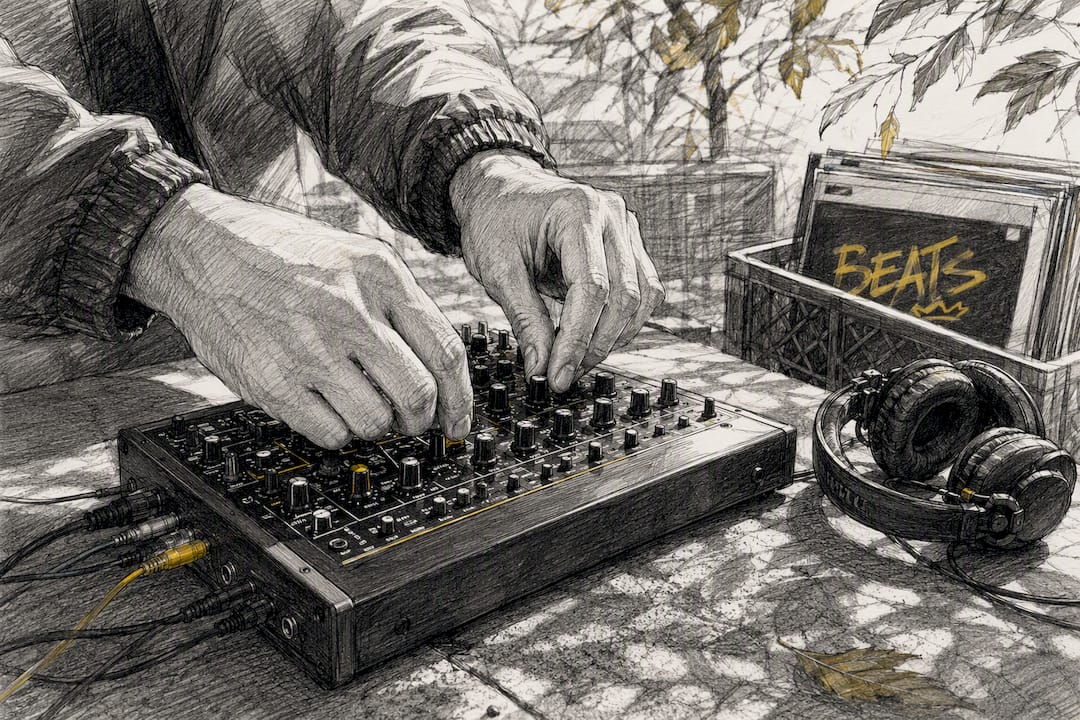
Producer hands adjusting mixer knobs

5 Clauses Indie Artists Must Read in an Unlimited Beat License

An unlimited beat license lets you release, stream, and sell music built on that beat with no cap on plays or copies, but it does not transfer ownership: the producer keeps the copyright and can license the same instrumental to other artists. That single fact should shape every decision you make next, from which platform you release on to whether you need a lawyer before your song drops.


TL;DR:

  • Unlimited beat licenses grant usage rights without transfer of ownership, allowing multiple artists to use the same instrumental simultaneously.
  • These licenses typically cover distribution, monetization, live performance, and creating one master, but do not include exclusivity or ownership of the beat.
  • Price ranges from $50 to $200 for comprehensive unlimited leases with WAV files and stems, while exclusive rights cost several hundred to thousands of dollars.
  • Legal clauses should specify territorial scope, license duration, rights to publishing, revocation terms, and deliverables like stems to avoid misunderstandings.
  • Artists should register their compositions, keep license records, and clarify Content ID responsibilities to prevent disputes and revenue loss from license conflicts.

Table of Contents

What Is an Unlimited Beat License, in Plain Language?

The term “unlimited” describes a licensing tier, not a sale. You are not buying the beat the way you’d buy a car title. You are buying a defined set of user rights, and the producer retains authorship of the underlying composition and sound recording throughout, as TuneCore’s licensing guide makes clear when it frames producers as licensing usage rather than transferring ownership.

That distinction trips up a lot of independent artists early in their careers. A “lease” and an “unlimited lease” sound like they belong to different categories, but they’re the same relationship with different ceilings. A basic lease often caps streams or physical copies. An unlimited lease removes those caps, so your song can chart, go viral, or sit quietly in a catalog for years without you breaching the agreement.

Here’s where unlimited licenses tend to show up in real release strategies:

  • Demo tracks and mixtapes where the goal is exposure, not a locked-in signature sound
  • Budget-conscious EPs and albums for artists building a catalog before investing in exclusives
  • Testing a record’s reception before committing money to an exclusive buyout
  • Content creators and independent producers scoring videos, podcasts, or promotional material

Think of an unlimited license as renting a well-built instrument. You can perform with it, record with it, and sell tickets to the show. You just don’t own the instrument itself, and someone else might be renting the identical one across town.

What Rights Does an Unlimited License Actually Grant?

A standard unlimited license typically grants four core permissions: distribution on streaming platforms, monetization of streams and sales, live performance, and the creation of one master recording. That covers the bulk of what an independent artist needs to release a song and earn from it on Spotify, Apple Music, or YouTube.

What it usually does not include matters just as much:

  • No transfer of the underlying copyright or publishing rights
  • No guarantee of exclusivity, meaning other artists may hold licenses to the same beat
  • No automatic clearance for large-scale sync placements (film, TV, national ads) without separate negotiation
  • No protection against a Content ID claim if another licensee uploads a track using the same instrumental

Here’s a number worth internalizing: informal industry pricing data puts most unlimited leases in the $50 to $200 range, with WAV files and trackouts frequently sold as add-ons rather than included by default. That price reflects what you’re actually getting: usage rights and audio files, not ownership.

Usage caps and Content ID clauses are where unlimited licenses can quietly disappoint an artist who assumed “unlimited” meant “no restrictions of any kind.” A license might remove the stream cap but still require you to register your master with a Content ID system that flags every other track using the same beat, artist and producer alike. If you’re not the one who uploaded first, you can lose ad revenue on your own song even though your license is perfectly valid.

Unlimited vs. Exclusive: Which One Fits Your Situation?

The core tradeoff comes down to exclusivity. An unlimited license lets multiple artists use the same instrumental; an exclusive license removes the beat from circulation and hands you sole rights to it, usually with the producer taking it down from marketplaces and honoring existing customers’ prior licenses. That single difference drives almost every downstream decision about cost, label interest, and sync potential.

Labels and sync agencies generally expect exclusive control. If a supervisor wants your track for a national commercial, they need assurance no one else can release a competing version of that same beat. An unlimited license can’t offer that assurance, no matter how good the song is.

Price reflects that difference sharply. Where unlimited leases commonly land in the $50 to $200 range, exclusive rights on the same catalog frequently run into the several hundred to several thousand dollar range, depending on the producer’s reputation and the beat’s history.

Weigh these signals before you decide which tier makes sense for a given record:

  1. Likely hit potential. If the song feels like a single with real momentum, exclusivity protects that upside before it becomes valuable to someone else.
  2. Budget reality. Early-career artists building a 12 to 20 track catalog rarely have the funds to buy exclusivity on every song, and they don’t need to.
  3. Career stage. An artist fielding label conversations or confirmed sync interest should treat exclusivity as a requirement, not a luxury upgrade.

Contract Clauses Worth Reading Twice Before You Buy

The word “unlimited” on a sales page tells you almost nothing about your actual rights. The license agreement does. Read the document itself, not the marketing copy around it, before you commit a verse to a beat.

Look for precise language on these five points:

  • Permitted uses and territory. Does the license name streaming platforms, YouTube monetization, and live performance explicitly, and does it apply worldwide or only in specific territories?
  • Term of the license. Some agreements run in perpetuity; others expire after a fixed number of years, which matters if you plan to keep a song in rotation long term.
  • Ownership and publishing language. Confirm whether the producer claims any percentage of your songwriting royalties or publishing, separate from the beat’s production credit.
  • Revocation and relicensing rights. Ask whether the producer can later sell the beat exclusively to someone else, and if so, whether you’d be required to take your song down.
  • File delivery and stems. MP3-only deliveries limit your mixing options; WAV and trackout stems give you and any future engineer real control over the final master.

Pro Tip: Before you buy, ask the producer directly whether the beat has been licensed to other artists already, and how they handle Content ID registration if two tracks using the same instrumental go up around the same time. A straight answer here tells you more about the license’s real value than any product description will.

Content ID and monetization control deserve particular attention because they’re rarely spelled out clearly on marketplace listings. If a dispute arises between two licensees over the same beat, find out in advance who’s responsible for resolving it and who continues collecting ad revenue while the dispute is pending. TuneCore’s guide to beat licensing frames this as a core reason to scrutinize the specific user rights in a contract rather than trusting a license’s marketing name.

Where Unlimited Licenses Go Wrong

Most problems with unlimited licenses trace back to one root cause: an artist assumed a broad license name meant broad legal protection, and it didn’t. The fixes are straightforward once you know what to watch for.

  • Content ID conflicts. When multiple artists hold licenses to the same beat, whoever registers a matching master first can trigger automated claims against everyone else’s uploads, sometimes redirecting ad revenue away from the rightful releasing artist.
  • Label and sync rejection. A label or ad agency that discovers your track uses a non-exclusive beat may walk away from the deal entirely, since they can’t guarantee no one else releases a competing version.
  • Publishing disputes. Without a documented split sheet, a dispute over songwriting credit or royalty share can drag on for months and cost more in legal fees than the original beat did.
  • Unverified beat history. Buying a beat without asking about its licensing history means you might be the fifth or sixth artist using it, which increases the odds of a Content ID collision down the line.

Registering your composition and documenting writer splits early is one of the simplest ways to avoid a payback claim later, and it costs far less time than resolving a dispute after release. The U.S. Copyright Office’s guidance on copyright basics lays out the distinction between the composition and the sound recording, and why registering both matters when more than one party might claim a stake in the finished song. Attorneys who work with independent artists echo the same point: contracts that leave publishing language vague create exactly the kind of conflict that complicates label deals later.

Negotiating an Upgrade to Exclusive Rights

If a song built on an unlimited license starts generating real traction, you can usually negotiate an upgrade to exclusivity rather than starting over with a new beat. The mechanics follow a fairly consistent pattern across producers.

  1. Lead with your budget and a clear ask. Tell the producer you want to convert to exclusive rights, name a number, and reference the typical range for exclusives in that producer’s catalog tier.
  2. Ask for a written take-down commitment. Any existing lessees need to stop using the beat once your exclusive deal closes; get that commitment in writing with a specific timeline, not a verbal assurance.
  3. Set the exclusive effective date explicitly. The contract should state exactly when exclusivity begins, so there’s no ambiguity about who held valid rights before that date.
  4. Clarify publisher points if requested. Some producers ask for a small songwriting percentage as part of an exclusivity upgrade. Decide your ceiling on that before you’re in the negotiation, not during it.

Real negotiation outcomes documented in legal Q&A forums show producers sometimes requesting publisher points as a condition of exclusivity, which is exactly why the written terms matter more than the verbal pitch.

What Different Price Tiers Actually Buy You

Price tells you a lot about what’s included, if you know how to read it. MP3-only leases commonly sell for under $50. Unlimited leases with WAV files and trackouts added typically land in the $50 to $200 range, and that range reflects file quality and usage scope, not ownership.

  • Under $50: Usually MP3-only, sometimes with a usage cap still attached.
  • $50 to $200: The common band for unlimited leases with WAV and trackout files included or available as an add-on.
  • Several hundred to several thousand dollars: The range for exclusive rights, scaled to the producer’s catalog reputation and the beat’s prior licensing history.

A higher price on an unlimited license almost never buys you publishing or master ownership. It buys better audio files and a broader usage scope. Only an exclusive agreement, negotiated and documented in writing, moves you into ownership territory, and even then, only to the extent the contract explicitly assigns it.

How Tellingbeatzz Structures Its Unlimited Licenses

Tellingbeatzz built its licensing model around a straightforward principle: an independent artist should be able to read a license and understand exactly what they’re getting, without a lawyer translating it first. Every beat in the catalog of over 600 instrumentals comes with unlimited commercial rights spelled out in plain contract language, not marketing shorthand.

When you buy a beat or build a custom beat pack, here’s what lands in your account:

  • MP3 files for quick reference and rough drafts
  • WAV files for full-quality mixing and mastering
  • Trackout stems when you need individual instrument control for a final mix
  • A license agreement stating your permitted uses in direct language
  • An invoice and license record you should keep permanently, not just until your song drops

Tellingbeatzz has supported releases that have collectively crossed 200 million streams, built on a licensing approach where artists retain full rights to the music they release. That track record exists because the license terms were clear from the first purchase, not clarified after a dispute.

When I Recommend Unlimited Licenses, and When I Don’t

Unlimited licenses make sense when the budget is tight, the release is one of many tracks in a catalog, or you’re testing how a record lands before investing further. They’re built for volume and experimentation, not for the one song you already suspect is a hit.

Exclusivity becomes necessary the moment a label shows real interest, a sync placement is on the table, or you’re building a long-term catalog around a signature sound that can’t afford a duplicate elsewhere. At that point, the modest savings of an unlimited license stop mattering next to the risk of losing the deal entirely.

Before you release anything, register the composition, set up your PRO splits, and keep the license invoice and contract somewhere permanent. That paperwork costs you an afternoon. Skipping it costs far more later.

— Thomas

Build Your Beat Pack With Tellingbeatzz

Tellingbeatzz gives independent artists a way to buy licensed beats without wading through vague marketing language to figure out what you’re actually allowed to do with them. Every unlimited license comes with the same file options: MP3 for quick reference, WAV for full-quality mixing, and trackout stems when you need to rebuild the mix from the ground up.
Tellingbeatzz

Buying a beat works the same way every time. Pick an instrumental or build a custom beat pack, download your files immediately, and keep the license text and invoice with your release paperwork permanently, not just until the song drops. Read the license wording at checkout before you finalize a purchase, particularly the sections covering permitted platforms and term length, so there’s no ambiguity later. If you’re planning a full project rather than a single track, browse the catalog and start building a pack that fits your release calendar and your budget.

Sources

For primary documentation rather than secondhand summaries, start with the U.S. Copyright Office’s Circular 9 on copyright basics, which explains the legal distinction between a composition and a sound recording. ASCAP publishes guidance on registering works and collecting performance royalties once your song is released. Distributors like DistroKid outline the practical steps for getting a licensed track onto streaming platforms once your paperwork is in order. For license wording specifics, TuneCore’s beat licensing guide remains one of the clearest plain-language breakdowns available, and an attorney familiar with music contracts should review anything with label or sync stakes attached.

This article is general information, not a substitute for advice from a qualified lawyer. Consult a qualified legal professional about your own circumstances before acting on anything here.

No Comments

Leave a Reply

Choose A License

Mp3 Unlimited (+3 FREE)

MP3
License Terms

Unlimited License Agreement

This Unlimited License Agreement (the “Agreement”) is entered into on [Purchase Date] between Thomas Hodek, professionally known as Tellingbeatzz (“Licensor”) and [Customer Full Name] (“Licensee”).
The Licensee has purchased an MP3 Unlimited License for the instrumental titled “[Beat Title]” (“Beat”) for a license fee of [Purchase Price] under Order #[Order Number].
Upon successful payment, this Agreement becomes effective immediately and is delivered electronically together with the licensed Beat files.

1. Grant of License

The Licensor grants the Licensee a non-exclusive, worldwide, non-transferable and perpetual license to use the Beat to create and commercially exploit one or more new songs incorporating the Beat (“New Song”).
The Licensee may add vocals, lyrics, melodies, instrumentation, arrangements and other original contributions to the Beat.
The Beat itself remains the intellectual property of the Licensor and is not sold or transferred to the Licensee.

2. Unlimited Commercial Use

The Licensee may commercially release and use the New Song without limits on:
  • digital or physical distribution
  • sales
  • audio streams
  • monetized video streams
  • music videos
  • live or paid performances
  • radio and online broadcasts
  • social media content
  • albums, EPs, mixtapes and singles
There are no limits on streams, sales, downloads, views or performances generated by the New Song.

3. Master Recording and Revenue

The Licensee may create and commercially exploit a new master recording incorporating the Beat (“Master Recording”).
The Licensee retains the revenue generated directly from exploitation of the Master Recording, including streaming, digital distribution and physical sales, subject to any publishing, mechanical, performance or other composition-based royalties attributable to the Licensor’s share of the underlying composition.
The Licensor does not acquire ownership of the Licensee’s original lyrics, vocals or other independently created contributions.

4. Ownership

The Licensor retains all rights, title and interest in the original Beat, including the applicable copyright interests in the musical composition and sound recording.
This Agreement does not transfer ownership or copyright in the Beat to the Licensee.
The Licensee may protect or register their own original contributions to the New Song but may not claim sole ownership or authorship of the underlying Beat.

5. Publishing and Songwriting

For each New Song created under this Agreement, the underlying composition shall be divided as follows:
Licensee: 50%
Licensor: 50%
The Licensee agrees to properly identify the Licensor’s share when registering the New Song with a Performing Rights Organization, publisher, publishing administrator or other rights-management organization.
Licensor PRO Information:
Writer / Composer: Thomas Hodek
Producer Name: Tellingbeatzz
PRO: GEMA (Germany)
IPI / CAE: 716014087
Publishing Administrator: BeatStars Publishing Worldwide

6. Credit

Where credits are customarily provided, the Licensee agrees to credit the Producer as:
Produced by Tellingbeatzz
or
Beat by Tellingbeatzz
If additional featured-vocalist or hook credits are supplied with the Beat, those credits must also be included where reasonably applicable.

7. Content ID

Because the Beat may be licensed non-exclusively to multiple artists, the Licensee may not register the Beat or any New Song containing the Beat with YouTube Content ID or any similar automated copyright-claiming or fingerprinting system without prior written permission from the Licensor.
The Licensor reserves the right to register and administer the Beat through Content ID or similar systems.
If the Licensee receives a claim relating to a valid licensed use, proof of purchase may be submitted for review and release where appropriate.

8. Synchronization

The Licensee may synchronize the New Song with:
  • music videos
  • YouTube videos
  • social media content
  • podcasts
  • online promotional content
  • independent films and video projects
Major third-party commercial synchronization uses, including national advertising campaigns, television productions, feature films, major video games or comparable commercial projects, require prior written approval from the Licensor.

9. Prohibited Uses

The Licensee may not:
  1. resell, redistribute or sublicense the Beat in its original or substantially similar instrumental form;
  2. upload or distribute the Beat as a standalone instrumental under the Licensee’s name;
  3. include the Beat in beat packs, sample packs, loop libraries, sound libraries or production libraries;
  4. claim authorship or ownership of the original Beat;
  5. register the Beat or New Song with Content ID without permission;
  6. transfer this License to another person or entity without written consent;
  7. share the Beat files with third parties except persons directly involved in producing, recording, mixing, mastering or distributing the New Song.

10. Files Included

The files delivered depend on the license purchased:
MP3 Unlimited: MP3
WAV Unlimited: MP3 + WAV
Trackout Unlimited: MP3 + WAV + available tracked-out stems
The file format supplied does not change the commercial usage rights granted under this Agreement.

11. Non-Exclusive License

This is a non-exclusive license.
The Licensor may continue licensing or selling the same Beat to other customers.
The Licensee acknowledges that other artists may legally release different songs using the same Beat.

12. Future Exclusive Sale

If exclusive rights to the Beat are sold after this Agreement has taken effect, this License remains valid.
The Licensee may continue using, distributing and monetizing the New Song according to the terms of this Agreement.

13. Samples and Third-Party Material

Where the Beat contains third-party material requiring clearance, the Licensee is responsible for obtaining any additional clearance required for the Licensee’s intended use unless otherwise agreed in writing.
The Licensor will disclose known third-party clearance requirements where reasonably possible.

14. Term

This License is valid in perpetuity, provided the Licensee complies with this Agreement.
No renewal payment is required.

15. Breach

If the Licensee materially breaches this Agreement, the Licensor may provide written notice and, where the breach can reasonably be corrected, allow 30 days to cure the violation.
If the breach is not corrected within that period, the Licensor may terminate the License and pursue available remedies.

16. Governing Law

This Agreement is governed by the laws of the Federal Republic of Germany, without prejudice to mandatory consumer protection laws applicable to the Licensee.

17. Entire Agreement

This Agreement, together with the applicable WooCommerce order confirmation, constitutes the complete agreement between the Licensor and Licensee regarding the licensed Beat.
If any provision is found invalid or unenforceable, the remaining provisions remain effective.

WAV Unlimited (+6 FREE)

WAV, MP3
License Terms

Unlimited License Agreement

This Unlimited License Agreement (the “Agreement”) is entered into on [Purchase Date] between Thomas Hodek, professionally known as Tellingbeatzz (“Licensor”) and [Customer Full Name] (“Licensee”).
The Licensee has purchased an WAV Unlimited License for the instrumental titled “[Beat Title]” (“Beat”) for a license fee of [Purchase Price] under Order #[Order Number].
Upon successful payment, this Agreement becomes effective immediately and is delivered electronically together with the licensed Beat files.

1. Grant of License

The Licensor grants the Licensee a non-exclusive, worldwide, non-transferable and perpetual license to use the Beat to create and commercially exploit one or more new songs incorporating the Beat (“New Song”).
The Licensee may add vocals, lyrics, melodies, instrumentation, arrangements and other original contributions to the Beat.
The Beat itself remains the intellectual property of the Licensor and is not sold or transferred to the Licensee.

2. Unlimited Commercial Use

The Licensee may commercially release and use the New Song without limits on:
  • digital or physical distribution
  • sales
  • audio streams
  • monetized video streams
  • music videos
  • live or paid performances
  • radio and online broadcasts
  • social media content
  • albums, EPs, mixtapes and singles
There are no limits on streams, sales, downloads, views or performances generated by the New Song.

3. Master Recording and Revenue

The Licensee may create and commercially exploit a new master recording incorporating the Beat (“Master Recording”).
The Licensee retains the revenue generated directly from exploitation of the Master Recording, including streaming, digital distribution and physical sales, subject to any publishing, mechanical, performance or other composition-based royalties attributable to the Licensor’s share of the underlying composition.
The Licensor does not acquire ownership of the Licensee’s original lyrics, vocals or other independently created contributions.

4. Ownership

The Licensor retains all rights, title and interest in the original Beat, including the applicable copyright interests in the musical composition and sound recording.
This Agreement does not transfer ownership or copyright in the Beat to the Licensee.
The Licensee may protect or register their own original contributions to the New Song but may not claim sole ownership or authorship of the underlying Beat.

5. Publishing and Songwriting

For each New Song created under this Agreement, the underlying composition shall be divided as follows:
Licensee: 50%
Licensor: 50%
The Licensee agrees to properly identify the Licensor’s share when registering the New Song with a Performing Rights Organization, publisher, publishing administrator or other rights-management organization.
Licensor PRO Information:
Writer / Composer: Thomas Hodek
Producer Name: Tellingbeatzz
PRO: GEMA (Germany)
IPI / CAE: 716014087
Publishing Administrator: BeatStars Publishing Worldwide

6. Credit

Where credits are customarily provided, the Licensee agrees to credit the Producer as:
Produced by Tellingbeatzz
or
Beat by Tellingbeatzz
If additional featured-vocalist or hook credits are supplied with the Beat, those credits must also be included where reasonably applicable.

7. Content ID

Because the Beat may be licensed non-exclusively to multiple artists, the Licensee may not register the Beat or any New Song containing the Beat with YouTube Content ID or any similar automated copyright-claiming or fingerprinting system without prior written permission from the Licensor.
The Licensor reserves the right to register and administer the Beat through Content ID or similar systems.
If the Licensee receives a claim relating to a valid licensed use, proof of purchase may be submitted for review and release where appropriate.

8. Synchronization

The Licensee may synchronize the New Song with:
  • music videos
  • YouTube videos
  • social media content
  • podcasts
  • online promotional content
  • independent films and video projects
Major third-party commercial synchronization uses, including national advertising campaigns, television productions, feature films, major video games or comparable commercial projects, require prior written approval from the Licensor.

9. Prohibited Uses

The Licensee may not:
  1. resell, redistribute or sublicense the Beat in its original or substantially similar instrumental form;
  2. upload or distribute the Beat as a standalone instrumental under the Licensee’s name;
  3. include the Beat in beat packs, sample packs, loop libraries, sound libraries or production libraries;
  4. claim authorship or ownership of the original Beat;
  5. register the Beat or New Song with Content ID without permission;
  6. transfer this License to another person or entity without written consent;
  7. share the Beat files with third parties except persons directly involved in producing, recording, mixing, mastering or distributing the New Song.

10. Files Included

The files delivered depend on the license purchased:
MP3 Unlimited: MP3
WAV Unlimited: MP3 + WAV
Trackout Unlimited: MP3 + WAV + available tracked-out stems
The file format supplied does not change the commercial usage rights granted under this Agreement.

11. Non-Exclusive License

This is a non-exclusive license.
The Licensor may continue licensing or selling the same Beat to other customers.
The Licensee acknowledges that other artists may legally release different songs using the same Beat.

12. Future Exclusive Sale

If exclusive rights to the Beat are sold after this Agreement has taken effect, this License remains valid.
The Licensee may continue using, distributing and monetizing the New Song according to the terms of this Agreement.

13. Samples and Third-Party Material

Where the Beat contains third-party material requiring clearance, the Licensee is responsible for obtaining any additional clearance required for the Licensee’s intended use unless otherwise agreed in writing.
The Licensor will disclose known third-party clearance requirements where reasonably possible.

14. Term

This License is valid in perpetuity, provided the Licensee complies with this Agreement.
No renewal payment is required.

15. Breach

If the Licensee materially breaches this Agreement, the Licensor may provide written notice and, where the breach can reasonably be corrected, allow 30 days to cure the violation.
If the breach is not corrected within that period, the Licensor may terminate the License and pursue available remedies.

16. Governing Law

This Agreement is governed by the laws of the Federal Republic of Germany, without prejudice to mandatory consumer protection laws applicable to the Licensee.

17. Entire Agreement

This Agreement, together with the applicable WooCommerce order confirmation, constitutes the complete agreement between the Licensor and Licensee regarding the licensed Beat.
If any provision is found invalid or unenforceable, the remaining provisions remain effective.

Trackout Unlimited (+9 FREE)

WAV, MP3, Trackout
License Terms

Unlimited License Agreement

This Unlimited License Agreement (the “Agreement”) is entered into on [Purchase Date] between Thomas Hodek, professionally known as Tellingbeatzz (“Licensor”) and [Customer Full Name] (“Licensee”).
The Licensee has purchased an Trackout Unlimited License for the instrumental titled “[Beat Title]” (“Beat”) for a license fee of [Purchase Price] under Order #[Order Number].
Upon successful payment, this Agreement becomes effective immediately and is delivered electronically together with the licensed Beat files.

1. Grant of License

The Licensor grants the Licensee a non-exclusive, worldwide, non-transferable and perpetual license to use the Beat to create and commercially exploit one or more new songs incorporating the Beat (“New Song”).
The Licensee may add vocals, lyrics, melodies, instrumentation, arrangements and other original contributions to the Beat.
The Beat itself remains the intellectual property of the Licensor and is not sold or transferred to the Licensee.

2. Unlimited Commercial Use

The Licensee may commercially release and use the New Song without limits on:
  • digital or physical distribution
  • sales
  • audio streams
  • monetized video streams
  • music videos
  • live or paid performances
  • radio and online broadcasts
  • social media content
  • albums, EPs, mixtapes and singles
There are no limits on streams, sales, downloads, views or performances generated by the New Song.

3. Master Recording and Revenue

The Licensee may create and commercially exploit a new master recording incorporating the Beat (“Master Recording”).
The Licensee retains the revenue generated directly from exploitation of the Master Recording, including streaming, digital distribution and physical sales, subject to any publishing, mechanical, performance or other composition-based royalties attributable to the Licensor’s share of the underlying composition.
The Licensor does not acquire ownership of the Licensee’s original lyrics, vocals or other independently created contributions.

4. Ownership

The Licensor retains all rights, title and interest in the original Beat, including the applicable copyright interests in the musical composition and sound recording.
This Agreement does not transfer ownership or copyright in the Beat to the Licensee.
The Licensee may protect or register their own original contributions to the New Song but may not claim sole ownership or authorship of the underlying Beat.

5. Publishing and Songwriting

For each New Song created under this Agreement, the underlying composition shall be divided as follows:
Licensee: 50%
Licensor: 50%
The Licensee agrees to properly identify the Licensor’s share when registering the New Song with a Performing Rights Organization, publisher, publishing administrator or other rights-management organization.
Licensor PRO Information:
Writer / Composer: Thomas Hodek
Producer Name: Tellingbeatzz
PRO: GEMA (Germany)
IPI / CAE: 716014087
Publishing Administrator: BeatStars Publishing Worldwide

6. Credit

Where credits are customarily provided, the Licensee agrees to credit the Producer as:
Produced by Tellingbeatzz
or
Beat by Tellingbeatzz
If additional featured-vocalist or hook credits are supplied with the Beat, those credits must also be included where reasonably applicable.

7. Content ID

Because the Beat may be licensed non-exclusively to multiple artists, the Licensee may not register the Beat or any New Song containing the Beat with YouTube Content ID or any similar automated copyright-claiming or fingerprinting system without prior written permission from the Licensor.
The Licensor reserves the right to register and administer the Beat through Content ID or similar systems.
If the Licensee receives a claim relating to a valid licensed use, proof of purchase may be submitted for review and release where appropriate.

8. Synchronization

The Licensee may synchronize the New Song with:
  • music videos
  • YouTube videos
  • social media content
  • podcasts
  • online promotional content
  • independent films and video projects
Major third-party commercial synchronization uses, including national advertising campaigns, television productions, feature films, major video games or comparable commercial projects, require prior written approval from the Licensor.

9. Prohibited Uses

The Licensee may not:
  1. resell, redistribute or sublicense the Beat in its original or substantially similar instrumental form;
  2. upload or distribute the Beat as a standalone instrumental under the Licensee’s name;
  3. include the Beat in beat packs, sample packs, loop libraries, sound libraries or production libraries;
  4. claim authorship or ownership of the original Beat;
  5. register the Beat or New Song with Content ID without permission;
  6. transfer this License to another person or entity without written consent;
  7. share the Beat files with third parties except persons directly involved in producing, recording, mixing, mastering or distributing the New Song.

10. Files Included

The files delivered depend on the license purchased:
MP3 Unlimited: MP3
WAV Unlimited: MP3 + WAV
Trackout Unlimited: MP3 + WAV + available tracked-out stems
The file format supplied does not change the commercial usage rights granted under this Agreement.

11. Non-Exclusive License

This is a non-exclusive license.
The Licensor may continue licensing or selling the same Beat to other customers.
The Licensee acknowledges that other artists may legally release different songs using the same Beat.

12. Future Exclusive Sale

If exclusive rights to the Beat are sold after this Agreement has taken effect, this License remains valid.
The Licensee may continue using, distributing and monetizing the New Song according to the terms of this Agreement.

13. Samples and Third-Party Material

Where the Beat contains third-party material requiring clearance, the Licensee is responsible for obtaining any additional clearance required for the Licensee’s intended use unless otherwise agreed in writing.
The Licensor will disclose known third-party clearance requirements where reasonably possible.

14. Term

This License is valid in perpetuity, provided the Licensee complies with this Agreement.
No renewal payment is required.

15. Breach

If the Licensee materially breaches this Agreement, the Licensor may provide written notice and, where the breach can reasonably be corrected, allow 30 days to cure the violation.
If the breach is not corrected within that period, the Licensor may terminate the License and pursue available remedies.

16. Governing Law

This Agreement is governed by the laws of the Federal Republic of Germany, without prejudice to mandatory consumer protection laws applicable to the Licensee.

17. Entire Agreement

This Agreement, together with the applicable WooCommerce order confirmation, constitutes the complete agreement between the Licensor and Licensee regarding the licensed Beat.
If any provision is found invalid or unenforceable, the remaining provisions remain effective.

Download

To download your free version of please enter your name and email address and the download link will be emailed to you

Your download link has been emailed to you