


Unlimited vs Exclusive Beats: Which License Fits Your Release?
A non-exclusive, or “unlimited,” lease lets multiple artists buy and use the same beat, usually within defined caps on streams or sales. An exclusive purchase removes the beat from sale entirely going forward, giving one artist sole rights and, typically, full stems and Content ID eligibility. For most releases, lease non-exclusively and save your money. Reserve exclusive purchases for the songs you plan to promote heavily, submit to a label or sync buyer, or monetize through Content ID.
- Non-exclusive/unlimited: affordable, shared rights, capped usage, ideal for mixtapes and testing new material.
- Exclusive: one buyer, forward-looking exclusivity, stems included, built for flagship singles and monetization.
- Practical starting point: Tellingbeatzz offers beat packs with unlimited commercial rights built in, so independent artists can release often without licensing anxiety.
Key Takeaways
Non-exclusive leases keep your costs low for frequent releases, while exclusive purchases protect flagship singles and unlock Content ID monetization.
| Point | Details |
|---|---|
| Default to leasing | Use non-exclusive licenses for most releases and reserve exclusives for tracks with real promotional backing. |
| Prior leases stay valid | Exclusivity is forward-looking, so anyone who already licensed the beat keeps their rights. |
| Content ID needs exclusivity | Registering a leased beat for monetization usually creates claims conflicts; exclusive rights typically clear that path. |
| Negotiate with data | Use streaming numbers or lost lease revenue estimates to set your exclusive price floor. |
| Tellingbeatzz for volume releases | Beat packs include unlimited commercial rights, MP3/WAV/stems, and instant download for artists building a catalog. |
Table of Contents
- Unlimited vs Exclusive Beats: A Quick Comparison
- What You Actually Get With a Non-Exclusive Lease
- What Exclusive Rights Actually Change
- The Simple Math Behind Choosing Exclusive
- Why Content ID Usually Requires Exclusivity
- Upgrading From a Lease to an Exclusive Buyout
- How Tellingbeatzz Handles Unlimited Commercial Rights
- Sources
Unlimited vs Exclusive Beats: A Quick Comparison
The gap between these two license types comes down to five things: what you pay, what files you receive, how much you can distribute, whether Content ID is available, and who else can use the same instrumental.
Non-exclusive tiers generally run from affordable entry prices for basic MP3 leases up to premium trackout packages, according to pricing patterns detailed in a producer’s guide to beat licensing. Exclusive purchases start at higher prices and can climb significantly, depending on the beat’s popularity and prior leases sold.
- Files included: non-exclusive tiers typically add WAV, then trackout stems, as price increases; exclusives almost always include full stems and often session files.
- Caps: leases commonly limit streams or sales with caps that vary by tier; exclusives remove those caps entirely.
- Content ID: leases usually prohibit registering the beat with Content ID; exclusives typically allow it.
- Exclusivity scope: buying exclusive stops future sales of that beat, but it does not cancel licenses artists already purchased, since exclusivity applies going forward, not retroactively, as explained in a breakdown of exclusive versus non-exclusive licensing.
That last point trips up a lot of new artists. If you leased a beat two years ago and someone else buys the exclusive rights today, your original license stays valid. Nobody can revoke what you already paid for.
What You Actually Get With a Non-Exclusive Lease
Non-exclusive licenses come in stacked tiers, and each one unlocks more files and higher caps.
- MP3/basic lease — the entry point, priced affordably, delivering a tagged or untagged MP3 with modest stream caps.
- WAV/premium lease — a step up, priced higher, adding a studio-quality WAV file and a higher distribution ceiling.
- Trackout/stems lease — a premium tier that hands you the individual instrument stems for mixing flexibility.
- Unlimited lease — the top non-exclusive tier, removing stream and sales caps while the beat remains available to other buyers.
Read the contract closely before you check out. Look for the distribution rights granted (streaming, downloads, physical copies), the territory covered, the term of the license, any producer credit requirement, and the terms for upgrading later to exclusive.
Pro Tip: Save every license certificate you receive in one folder by artist name and beat title. If a distributor or platform ever questions your rights, you want that document in thirty seconds, not thirty minutes.
What Exclusive Rights Actually Change
Buying exclusive rights means the producer stops selling that beat to anyone else from that point forward. It does not erase leases already sold. An artist who bought the unlimited lease last month keeps that license even after you become the exclusive owner.
- Exclusives typically come with full stems, MIDI files, and sometimes the original session files, giving you room to remix or hand the track to a mix engineer.
- Confirm whether the deal is an exclusive license (you get sole usage rights, producer keeps authorship) or a full copyright transfer (ownership itself changes hands). These are legally different outcomes, and contracts don’t always spell out which one you’re getting.
- Price typically reflects how many non-exclusive leases already sold and how much recurring lease income the producer is giving up, a pricing logic covered in that producer’s guide to beat licensing.
- Negotiation points include producer royalty points on the finished record, credit placement, and whether the producer discloses the exact number of prior lease buyers.
Ask directly: how many people already leased this beat? A producer who won’t answer that question is a producer you should think twice about paying thousands of dollars.
The Simple Math Behind Choosing Exclusive
Producers often price an exclusive at a multiple of what they’d expect to earn from repeat lease sales on that same beat, an approach outlined in the producer’s guide to beat leasing versus exclusive rights. That gives you a rough floor for negotiation: if a beat typically sells five unlimited leases a year at $150 each, expect exclusive pricing to start well above $750.
- Estimate the producer’s lost lease revenue and treat that as your negotiating floor, not your ceiling.
- Weigh your promotional spend. If you’re about to invest real money in a marketing push, an exclusive protects that investment from a competing artist releasing the same beat.
- Check for label or sync interest. Buyers in those spaces almost always require exclusive rights before signing off.
- Consider your release pace. Artists dropping tracks weekly or monthly should lean on leases to conserve budget and reserve exclusives for standout songs.
The Beatpass licensing breakdown reinforces the same pattern: most working artists lease constantly and buy exclusive only a handful of times a year, when a song’s traction actually justifies it.
Why Content ID Usually Requires Exclusivity

YouTube’s Content ID system is the technical wall that pushes most artists toward exclusive purchases. Registering a beat you only leased typically creates a claims conflict, since the producer or another leaseholder may already have rights tied to that instrumental, a mechanic explained in the Feedtracks guide to beat licensing.
Exclusive ownership generally clears that path, letting you register the recording and collect ad revenue without a dispute sitting on top of your monetization.
- Get exclusivity confirmed in writing before you submit anything for Content ID review.
- Request the license certificate that explicitly states the beat is now exclusive to you.
- If a co-writer or the producer keeps a publishing share, clarify that split in the same document, before the track goes live on Spotify, Apple Music, or YouTube.
Upgrading From a Lease to an Exclusive Buyout
If a leased track starts gaining real traction, move fast, but move carefully.
- Ask the producer whether exclusive rights are even still available, since someone else may already be negotiating for them.
- Request full disclosure of how many prior leases exist on that beat.
- Negotiate price using your song’s streaming numbers or playlist placements as leverage.
- Get full stems and a signed contract before you pay anything.
- Confirm in writing that the new agreement grants Content ID rights.
Offering the producer credit or a small royalty point can sometimes lower the upfront price. Document every change and loop in your distributor or publicist so your metadata and release listings stay accurate through the switch.
Pro Tip: Screenshot your streaming numbers before you approach a producer about upgrading. Proof of traction is the single strongest card you can play in that negotiation.
How Tellingbeatzz Handles Unlimited Commercial Rights
Tellingbeatzz built its catalog of over 600 instrumentals around a simple idea: independent artists shouldn’t have to choose between quality and flexibility. Every beat pack comes with unlimited commercial rights built into the license itself, not bolted on as an expensive add-on.
- Personalized beat packs let you mix and match instrumentals across genres instead of buying one track at a time.
- Licensing terms are transparent from checkout, with MP3, WAV, and stem options clearly listed.
- The catalog has supported tracks generating over 200 million streams collectively across independent releases.
If you release often and want to build a catalog without tracking a dozen separate contracts, this model maps directly onto the lease-first strategy described above.
A Producer’s Honest Note on Tradeoffs
Lease while you’re testing a sound, and save exclusive purchases for the release you’re willing to bet real promotional dollars on. Read every contract line before you sign, and keep your license certificates organized. That habit alone will save you more headaches than any single licensing decision.
— Thomas
Get Unlimited Commercial Rights Without the Guesswork
Tellingbeatzz solves the exact problem this article walks through: finding high-quality beats you can release, monetize, and build a catalog with, without negotiating exclusivity terms every single time. Every beat pack ships with MP3, WAV, and stem files, unlimited commercial rights, and instant download the moment checkout finishes.
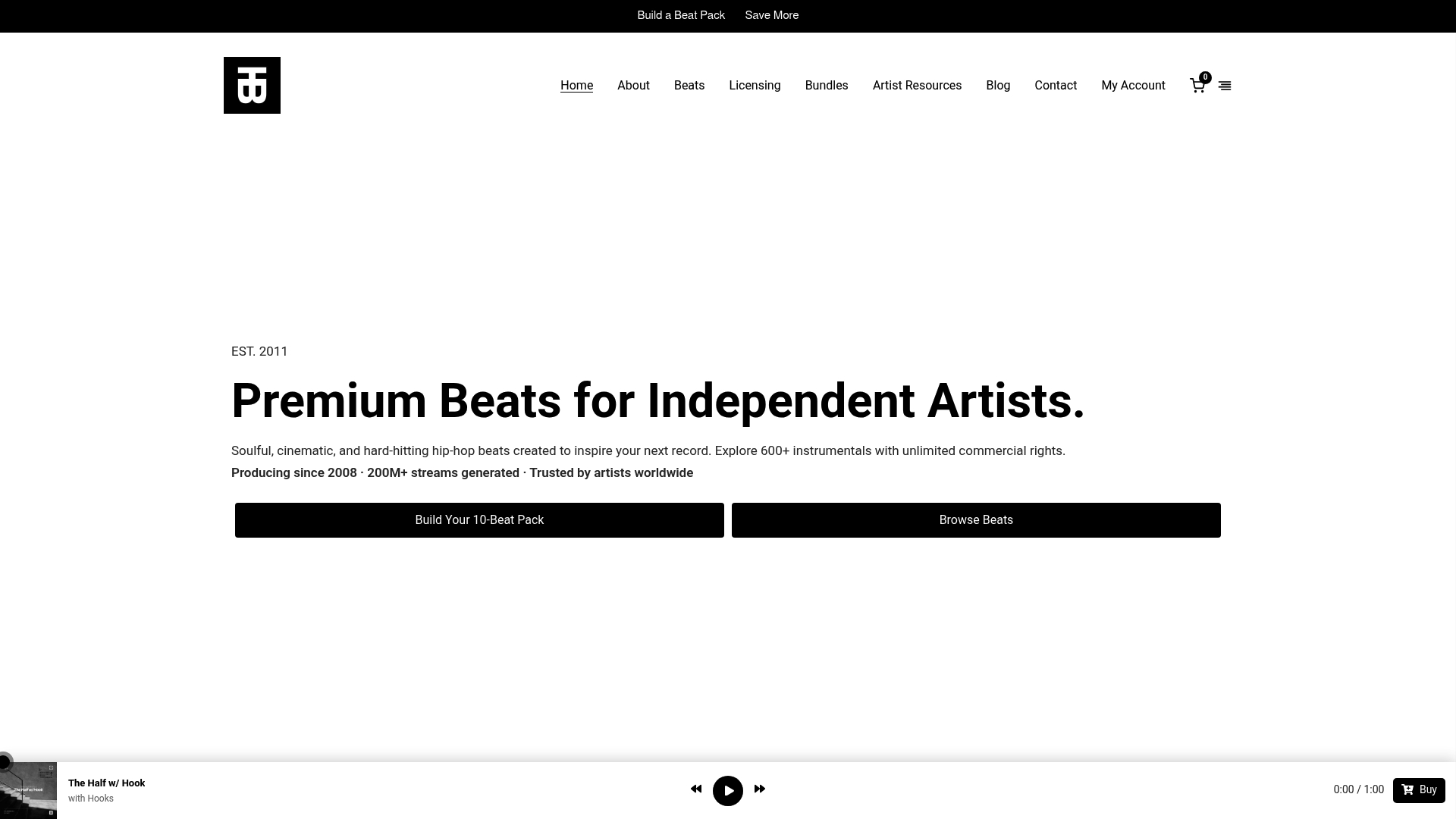
That structure fits artists who release frequently and want budget-friendly flexibility instead of a per-track legal negotiation. Browse the current beat catalog and build a personalized pack that matches your next release, or read more licensing breakdowns on the Tellingbeatzz blog before you buy. For artists exploring sync placements down the road, this guide to licensing music for film is worth a look too.
Sources
- Non-Exclusive vs Exclusive Beats Explained (2026)
- Beat Leasing vs Exclusive Rights: A Producer’s Guide (2026) | Tools 4 Music Blog
- Beat Leasing vs Exclusive Rights: Complete Producer Guide (2025) | Feedtracks Blog
Recommended

No Comments